 Formed of Light
Privacy and Comfort in Bodyscape Sessions
Published July 5, 2026 · Timothy Osier
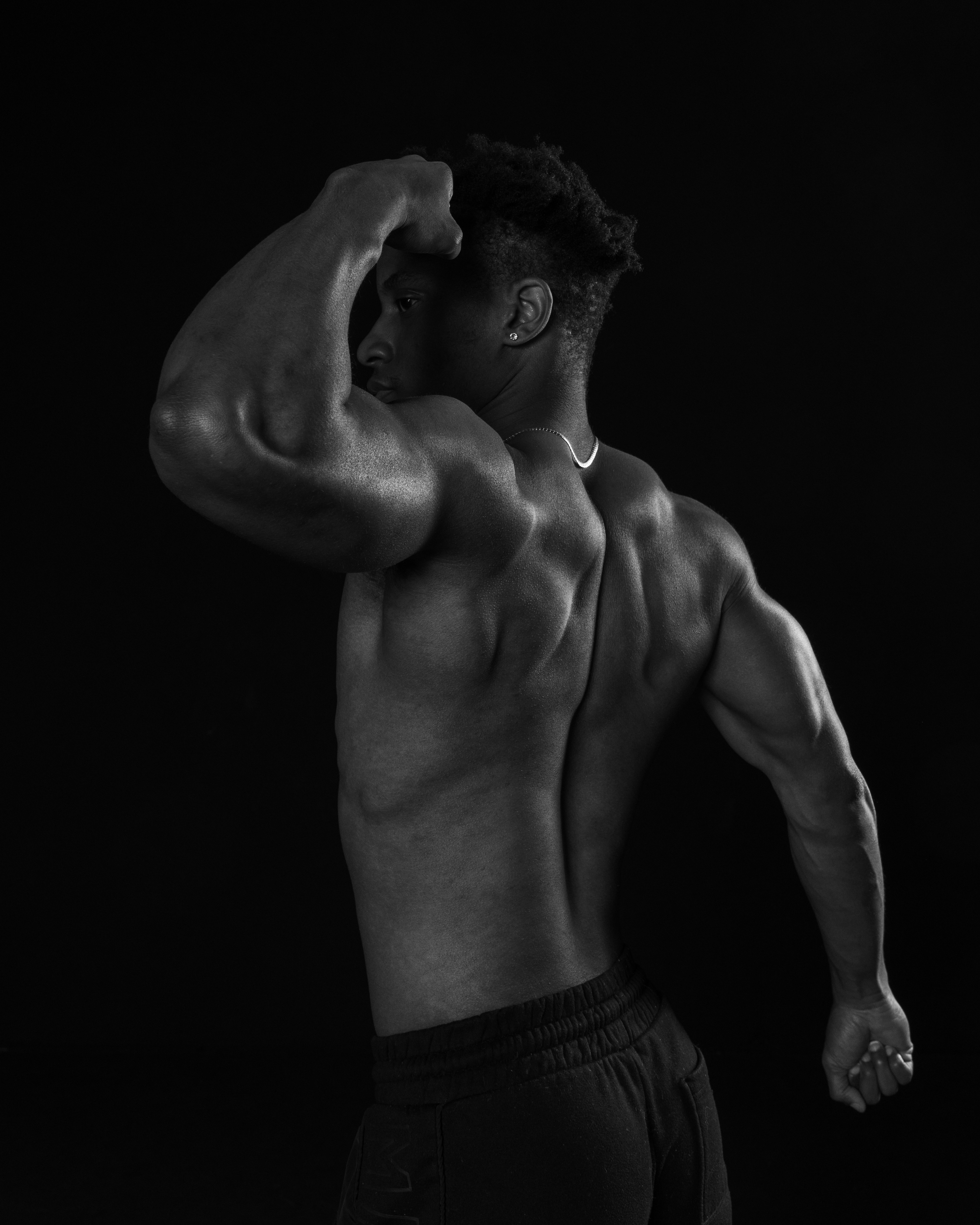
A bodyscape session can sound vulnerable from the outside. Dramatic light, close composition, skin, shadow, and the body as landscape — all of that asks for trust before it asks for a pose.
That trust is not assumed here. It is built into how the session is planned, where we shoot, who is present, what you wear, how images are reviewed, and what happens to the final results afterward.
A controlled, private studio environment
Many bodyscape and projection sessions are photographed at Studio Space Atlanta, a world-class commercial studio facility on the north side of the I-285 loop. It is the kind of controlled production space used for serious creative work, including film and television projects, and it gives us what bodyscapes need most: privacy, room, darkness, and full control over the light.
There is an on-site studio manager, but they are not part of your set. They remain in a separate area unless there is a practical facility need. Your actual shooting space is treated as private and intentional, not as a room people wander through.
The facility also gives you a real changing space, not a corner with crossed fingers. You can arrive, change, robe up, reset between looks, and move through the session without feeling exposed to anyone who does not need to be there.
What a closed set means
A closed set means the room is limited to the people who are meant to be there. For a private bodyscape session, that usually means you, me, and anyone you specifically choose to bring under the Plus One policy.
No extra spectators. No casual visitors. No "let me just pop in and see what you're making." The door stays figuratively and practically closed so the focus can stay on the work and your comfort inside it.
If a session ever needs an assistant, hair and makeup artist, or additional creative team member, that is discussed before the shoot. Nobody is added to the room as a surprise.
The Plus One policy
You are welcome to bring someone you trust. A friend, partner, sibling, creative collaborator, or anyone who helps your nervous system settle is allowed on set as your Plus One.
Some people feel safer with someone familiar nearby. Others feel more comfortable keeping the room as private as possible. Both choices are valid. There is no moral score attached to either one. The point is to create the conditions where you can breathe, listen, adjust, and make art without feeling alone or watched in the wrong way.
Robes between sets
Robes are available between setups. That matters more than people think.
Bodyscape work can involve tiny adjustments, repeated poses, reviewing test frames, changing the light, or waiting while a setup is refined. You should not have to stand around uncovered while any of that happens. Between sets, while reviewing images, or while we talk through the next pose, you can robe up and reset.
Many clients also bring their own robe because familiar fabric helps them feel at home in an unfamiliar room. Either way is welcome.
Coverage is a dial, not a switch
Bodyscape does not require one specific level of nudity. The style is about form, shadow, contour, and anonymity. We can create that in several ways depending on your comfort and the kind of final images you want.
Common options include:
- Clothed or swimwear-based. Bikinis, underwear, bodysuits, or fitted garments can still create strong sculptural lines.
- Implied. The image suggests the body without showing everything. This often uses angles, shadow, fabric, pose, and careful cropping.
- Topless. A common middle ground for back, shoulder, torso, and silhouette-focused work.
- Art nude. Fully nude work is available when it serves the concept and you want that level of simplicity.
You do not have to decide everything alone. We talk through coverage, wardrobe, boundaries, and final use before the session begins. You can also adjust during the shoot. Consent is ongoing, not a one-time checkbox.
Seeing results as we go
During the session, you will see frames as we work. This is especially helpful with bodyscapes because what a pose feels like and what the camera sees can be very different.
You may be robed while we review images between sets. We can talk about what feels beautiful, what feels too revealing, what you want more of, and what you want to avoid. That feedback is part of the process. The final artwork should feel like something made with you, not something taken from you.
Privacy after the session
Your images are private by default. Formed of Light loves this work and we are always grateful when clients allow us to share finished pieces, but permission is never assumed.
At booking and again around the session, we talk through your sharing preference. You may keep images fully private, allow anonymous sharing, allow sharing with credit, or decline any public use. A written model release controls whether and how images may be used. If you do not grant a release, the images do not go into the portfolio or onto social media.
That boundary is especially important with intimate or body-focused work. Wanting the artwork for yourself is completely valid. Wanting to share it because you are proud of it is also completely valid. Your choice is the one that matters.
The room should feel steady
The best bodyscapes look quiet, bold, and effortless, but the experience behind them should never feel careless. Privacy, comfort, consent, and pacing are not separate from the art. They are what make the art possible.
If you are curious about the style itself, start with What Is Bodyscape Photography?. If you are getting ready for a booked session, read How to Prepare for a Bodyscape Session.
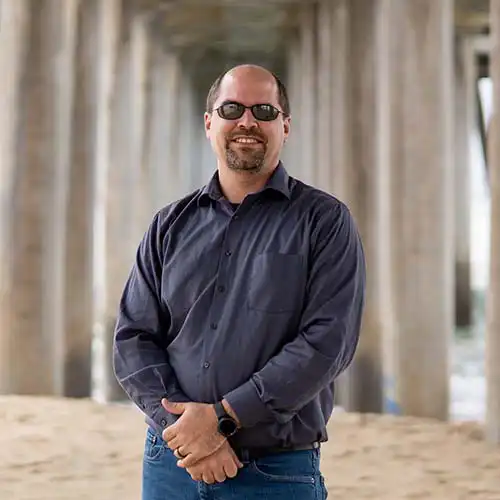
Founder and photographer at Formed of Light Studio — art-forward portrait, projection, and fine-art body work in Newnan, GA, serving Atlanta and beyond.